
Best Tasting Protein Bars 2026: 7 Brands Ranked by Flavor and Texture
 By Lisa Benz, Editor-in-chief · Updated Sep 3, 2026 · 14 min read
Disclosure: this article may contain partner links. If you buy through them, we earn a commission at no extra cost to you. The ranking is set by our editors.
Contents
If you only care about one thing when you unwrap a protein bar, it is probably not the macro panel. It is whether the bite actually tastes good enough to finish. Barebells takes the top spot in this ranking because its soft nougat center and crisp chocolate shell taste closer to a candy bar than to a supplement, and it holds that texture without turning gritty or waxy in a gym bag. Quest, Built Bar, RXBAR, Aloha, David Protein and Pure Protein round out the list, each earning its spot for a specific flavor or texture strength, not for protein count, carb count or price per gram.
This is a taste-first ranking, not a value or macro ranking. Want the bar with the most protein per calorie or the lowest price per gram? That comparison lives in our general protein bar guide. Here, the only question is which bars are genuinely enjoyable to eat, flavor by flavor, texture by texture, sweetener by sweetener.
How We Ranked These Bars by Taste
Taste is subjective, so instead of guessing, this ranking leans on three kinds of evidence for each brand: the sweetener system used (because sweetener chemistry drives most of the aftertaste complaints in this category), the texture category the bar falls into and a cross-section of independent reviews, retailer feedback and fitness-community discussion instead of a single reviewer's opinion.
Four things separate a good-tasting protein bar from a mediocre one, and they show up again and again across the flavors covered below.
- Sweetener system. Sugar alcohols like maltitol give a candy-like sweetness but can leave a cooling or slightly artificial aftertaste, and in large amounts they cause the gas and bloating protein bar fans complain about most. Allulose and erythritol behave closer to real sugar with a milder aftertaste. Stevia tends to taste more bitter and metallic the more of it a formula uses. Real sugar, dates or coconut sugar taste the most natural but usually mean fewer bars fit a strict low-sugar diet.
- Texture category. Bars split into a handful of textures: chewy and dense, soft and cakey, crunchy or crispy, and puffed or marshmallow-style. A bar that nails its intended texture reads as a treat. One that misses, such as a "soft-baked" bar that turns rubbery in the cold, reads as a supplement.
- Aftertaste. This is the detail that separates bars that taste fine on the first bite from bars people actually finish. A lingering chemical or bitter aftertaste is the single most common complaint in reviews of sweetener-heavy bars.
- Flavor authenticity. Does the "cookie dough" flavor taste like cookie dough, or like a vague sweet approximation of it? The strongest bars on this list earn specific, repeated comparisons to real desserts in independent reviews, not just marketing copy.
The 7 Best Tasting Protein Bars, Ranked
Every bar below made the cut because it has a specific, verifiable taste strength, not just decent macros. A few candidates from the wider protein bar market did not make this list because the available taste evidence was too mixed or too thin to stand behind, and that reasoning is called out where it matters.
Barebells: Best Tasting Overall
Barebells consistently gets described by reviewers as the bar that tastes the least like a protein bar. The Salty Peanut flavor pairs a caramel-nougat center studded with real peanut pieces against a milk chocolate coating, and reviewers routinely compare the bite and snap of the shell to a standard candy bar, not a gym snack. The Hazelnut Nougat flavor gets similar praise for a rich, layered profile with none of the powdery aftertaste that plagues cheaper bars.
The catch is the sweetener system. Barebells relies on maltitol and polydextrose for bulk sweetness, with a small amount of sucralose, which is exactly the sugar alcohol combination most likely to cause bloating if you eat more than one bar at a sitting. Reviewers who eat a single bar rarely mention digestive issues, but it is worth knowing before you buy a case.
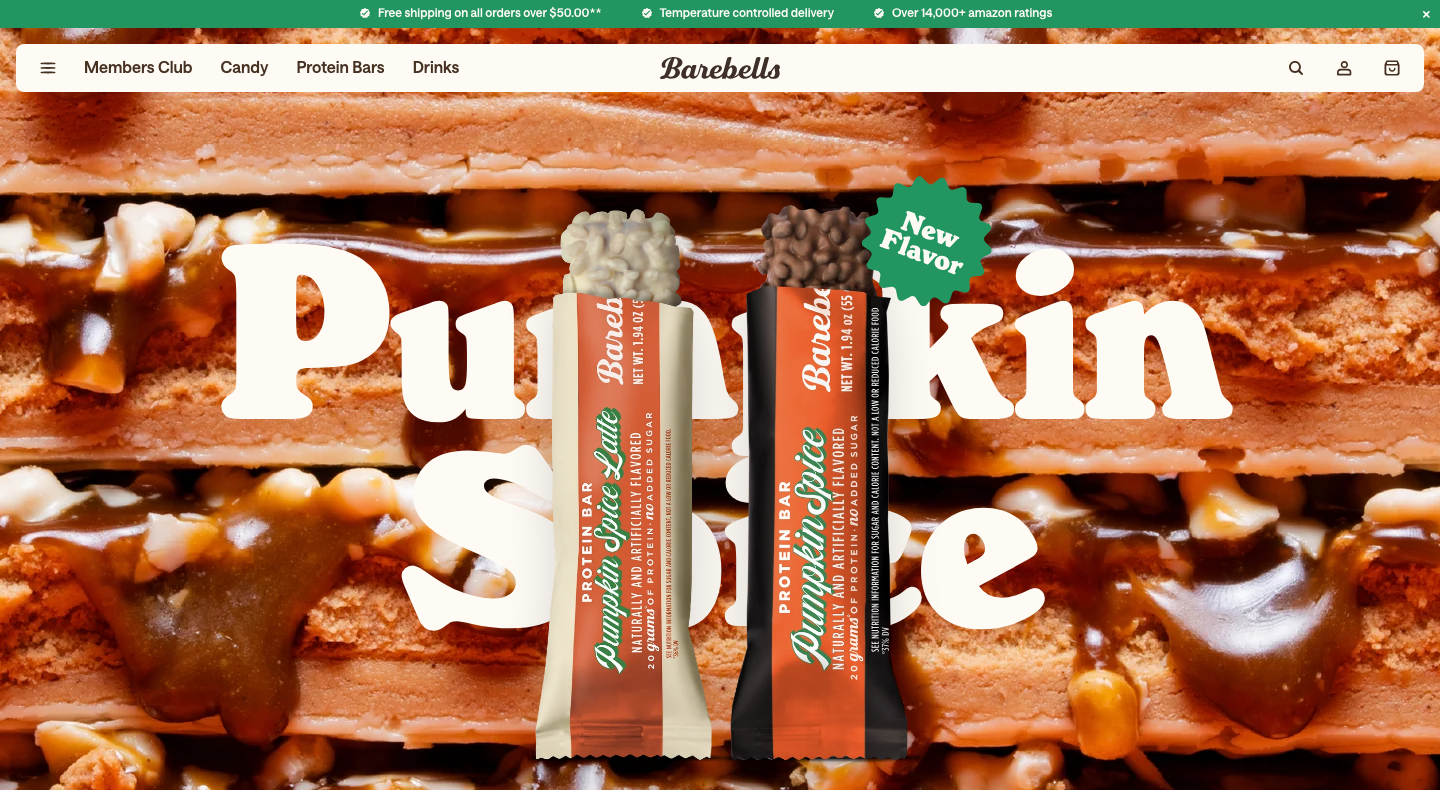
| Flavor lineup | Salty Peanut, Caramel Cashew, Hazelnut Nougat, Cookies & Cream, Chocolate Dough, Banana Caramel, Creamy Crisp, Fudge Brownie, Birthday Cake |
| Protein per bar | 20g |
| Sweetener type | Maltitol and polydextrose (sugar alcohols), plus sucralose |
| Texture | Soft nougat center, crisp chocolate shell, candy-bar snap |
| Price per bar | Roughly $2.25 to $2.75, depending on retailer and pack size |
| Where to buy | Amazon, Walmart, Target, GNC, barebells.com |
Quest: Best Bakery-Style Texture
Quest built its reputation on one flavor: Chocolate Chip Cookie Dough. Independent taste tests and community threads repeatedly single it out as the single most popular protein bar flavor sold in the United States. The soft, slightly underbaked texture with real chocolate chips reads as cookie dough, not as a protein-shaped stand-in for it. Birthday Cake and Lemon Cake get similar praise for landing close to their dessert namesakes, with the Lemon Cake in particular compared to iced lemon shortbread rather than a generic citrus bar.
Quest's sweetener mix varies by flavor. Most use a combination of erythritol and sucralose, though a handful of flavors run on stevia alone. The dense, chewy bite holds up well cold, which matters if you keep bars in a gym bag instead of eating them right after opening the box.

| Flavor lineup | Chocolate Chip Cookie Dough, Birthday Cake, Cookies & Cream, Lemon Cake, Blueberry Muffin, S'mores, Double Chocolate Chunk, White Chocolate Raspberry, Oatmeal Chocolate Chip |
| Protein per bar | 20 to 21g |
| Sweetener type | Erythritol and sucralose in most flavors; stevia-only in select flavors |
| Texture | Dense, chewy, soft-baked |
| Price per bar | Roughly $2.00 to $2.75, often lower with subscribe-and-save pricing |
| Where to buy | Amazon, Walmart, GNC, questnutrition.com |
Built Bar: Best Marshmallow-Puff Texture
Built's Puff line stands apart on texture alone. Reviewers compare the filling to Peeps or a 3 Musketeers center more often than to a standard protein bar. The S'mores Chunk Puff layers graham cracker pieces and a marshmallow-style center inside a milk chocolate shell. The Coconut Puff pairs that same airy filling with dark chocolate and shredded coconut. The bars are not overly sweet, which reviewers note as a deliberate choice, not a compromise. It lets the chocolate and mix-ins carry the flavor instead of masking a weak base with sugar.
Built sweetens its bars with real sugar and glycerin rather than sugar alcohols or artificial sweeteners, which puts it in a smaller group on this list. That trade-off means slightly more sugar per serving than Barebells or Quest, but reviewers consistently report no chemical or cooling aftertaste, which is the complaint that shows up most often about sugar-alcohol-heavy bars.
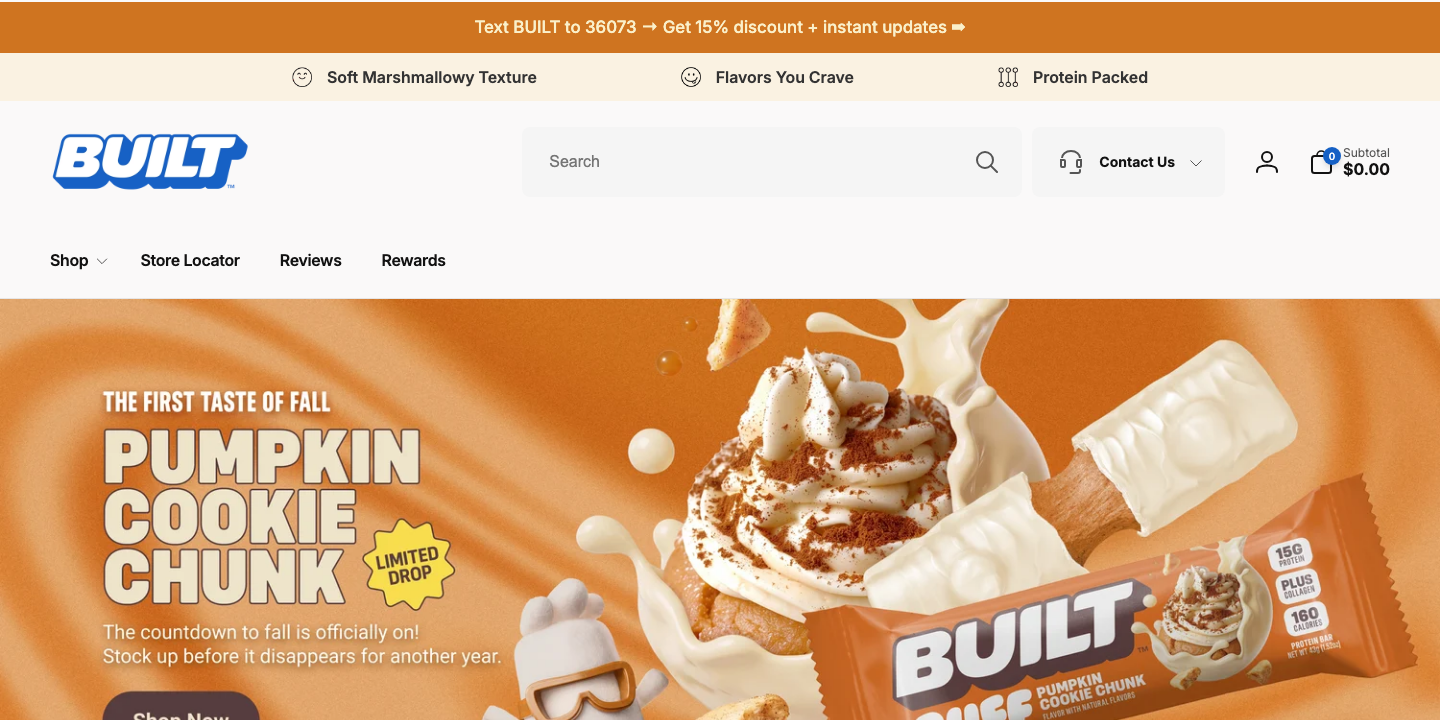
| Flavor lineup | S'mores Chunk, Coconut, Brownie Batter, Cookie Dough Chunk, Cookies 'N Cream, Peanut Butter Cup, Strawberries 'N Cream |
| Protein per bar | 15 to 17g (Puff line) |
| Sweetener type | Real sugar and glycerin, no sugar alcohols or artificial sweeteners |
| Texture | Light, airy, marshmallow-style puff filling |
| Price per bar | Roughly $2.30 to $2.75 in mixed boxes |
| Where to buy | built.com, Amazon |
RXBAR: Best "Tastes Like Real Food" Flavor
RXBAR earns its spot for a different reason than the candy-style bars above it. Its Chocolate Sea Salt and Peanut Butter flavors rank highest in independent taste tests specifically because the sweetness comes only from dates, egg whites and nuts. There is no artificial sweetener tang and no cooling sugar-alcohol aftertaste, because there is no sugar alcohol in the formula at all. Reviewers who dislike the taste of stevia or sucralose in other bars tend to prefer RXBAR precisely because it skips both.
The trade-off is texture. The date-and-egg-white base produces a dense, fudge-like, sometimes sticky bite that some reviewers find satisfying and others find hard to chew or prone to sticking to teeth, especially once the chocolate coating softens in a warm bag. Want a bar that tastes unmistakably like whole food instead of a treat? This is the one on the list that delivers that most literally.
| Flavor lineup | Chocolate Sea Salt, Peanut Butter, Peanut Butter Chocolate, Blueberry, Strawberry, Vanilla Almond, Mixed Berry |
| Protein per bar | 12g |
| Sweetener type | Dates only, no added sugar, no sugar alcohols, no artificial sweeteners |
| Texture | Dense, chewy, fudge-like, can be sticky |
| Price per bar | Roughly $1.85 to $2.30 in 12-count boxes |
| Where to buy | Amazon, Target, Whole Foods, rxbar.com |
Aloha: Best Tasting Vegan Protein Bar
Most plant-based protein bars lean gritty or chalky because plant proteins do not bind and melt the way whey does. Aloha is the exception reviewers keep pointing to. Customers routinely describe the bars as tasting like a candy bar despite being organic and plant-based, and the brand holds a 4.4-star average across nearly 9,000 Amazon reviews, which is unusually strong for the vegan bar category. Chocolate Chip Cookie Dough and Peanut Butter Cup are the flavors that come up most often as favorites.
Aloha sweetens with organic coconut sugar and monk fruit extract rather than stevia, sugar alcohols or artificial sweeteners, which avoids the metallic aftertaste that stevia-heavy vegan bars are known for. The sweetness level runs moderate, not indulgent, and a few reviewers note a slight earthiness from the plant protein base that comes through more in the lighter flavors than in the chocolate ones.
| Flavor lineup | Chocolate Chip Cookie Dough, Peanut Butter Cup, Coconut Chocolate Almond, Chocolate Fudge Brownie, Chocolate Mint, Vanilla Almond Crunch |
| Protein per bar | 14g (plant-based) |
| Sweetener type | Organic coconut sugar and monk fruit extract, no sugar alcohols or stevia |
| Texture | Smooth rather than gritty, moderate sweetness |
| Price per bar | Roughly $2.00 to $3.00 |
| Where to buy | Amazon, Whole Foods, Sprouts, aloha.com |
David Protein: Best Dessert-Style Flavors, With a Catch
David built its flavor lineup around dessert names that most protein bars do not touch: Blueberry Pie, Cake Batter, Red Velvet, Cinnamon Roll. When those flavors land, reviewers describe them as a genuinely different profile from the usual chocolate-and-peanut-butter rotation, with a chewy bite that firms up noticeably in the fridge. That chewiness is part of the appeal for people who want a bar that lasts more than three bites.
Taste reviews on David are the most mixed on this list. Alongside praise for the Cake Batter and Blueberry Pie flavors, some reviewers describe other flavors as artificial-tasting or simply not worth the price. The brand itself has acknowledged that its earlier formula tasted worse than the current one. The sweetener system, a blend of maltitol, allulose, glycerin, sucralose and acesulfame potassium, is the most complex on this list, and it is also the combination most likely to cause GI discomfort if you eat more than one bar in a sitting. David bars are also the most expensive bar on this list per unit, and the brand faced a 2026 class-action lawsuit over calorie and fat labeling that it later resolved when the plaintiffs dropped the case. None of that is a taste issue directly, but it is context worth knowing before paying a premium price for flavors that reviewers do not agree on.

| Flavor lineup | Chocolate Chip Cookie Dough, Blueberry Pie, Cake Batter, Red Velvet, Cinnamon Roll, Fudge Brownie, Salted Peanut Butter, Peanut Butter Chocolate Chunk |
| Protein per bar | 28g (Gold line) or 20g (Bronze line) |
| Sweetener type | Maltitol, allulose, glycerin, sucralose and acesulfame potassium blend |
| Texture | Dense and chewy, firmer when cold |
| Price per bar | Roughly $3.25 |
| Where to buy | davidprotein.com, Amazon, Walmart |
Pure Protein: Best Budget Taste, With a Catch
Pure Protein makes this list because it is one of the cheaper bars that still tastes like dessert instead of supplement, at about a dollar a bar in multipacks. The Chocolate Deluxe and Chocolate Peanut Butter flavors get the most consistent praise, described by reviewers as chewy and moist once you get past an initial chalky residue on the first bite.
That chalky residue is the honest catch. Pure Protein sweetens with maltitol and sucralose, and multiple reviewers report an artificial aftertaste that is more noticeable here than in Barebells or Quest, which use similar sweetener families but different ratios and binding fat systems. Some flavors fare worse than others. The Chewy Chocolate Chip variant in particular draws complaints about being cloyingly sweet with an odd texture, so flavor choice matters more with this brand than with any other bar on this list. If the price is the deciding factor, stick to the Chocolate Deluxe and Chocolate Peanut Butter flavors, which have the most consistent track record.
| Flavor lineup | Chocolate Deluxe, Chocolate Peanut Butter, Chocolate Salted Caramel, Birthday Cake, Lemon Cake, Cookies & Cream, Chewy Chocolate Chip |
| Protein per bar | 20 to 21g |
| Sweetener type | Maltitol and sucralose |
| Texture | Chewy and moist, with a chalky first-bite residue |
| Price per bar | Roughly $1.00 to $1.35 with subscribe-and-save pricing |
| Where to buy | Walmart, Amazon, Target, Walgreens |
Protein Bar Taste Comparison at a Glance
Once sweetener type and texture are laid side by side, the pattern behind these rankings gets easier to see. Bars that use fewer sugar alcohols and more whole-food or natural sweeteners tend to score better on aftertaste, while bars with a richer fat-and-nougat base tend to score better on that first-bite "treat" factor.
| Bar | Best for | Texture | Sweetener type | Price per bar |
|---|---|---|---|---|
| Barebells | Candy-bar taste overall | Soft nougat, crisp shell | Maltitol, polydextrose, sucralose | $2.25 to $2.75 |
| Quest | Bakery-style dessert flavors | Dense, chewy, soft-baked | Erythritol, sucralose (varies by flavor) | $2.00 to $2.75 |
| Built Bar | Marshmallow-puff texture | Light, airy, puffed | Real sugar, glycerin | $2.30 to $2.75 |
| RXBAR | Whole-food flavor, no aftertaste | Dense, fudge-like, sticky | Dates only | $1.85 to $2.30 |
| Aloha | Best tasting vegan bar | Smooth, moderately sweet | Coconut sugar, monk fruit | $2.00 to $3.00 |
| David Protein | Unusual dessert flavors | Dense, chewy, firmer cold | Maltitol, allulose, glycerin, sucralose, acesulfame potassium | ~$3.25 |
| Pure Protein | Budget dessert taste | Chewy, moist, chalky first bite | Maltitol, sucralose | $1.00 to $1.35 |
Why Sweetener Type Changes How a Protein Bar Tastes
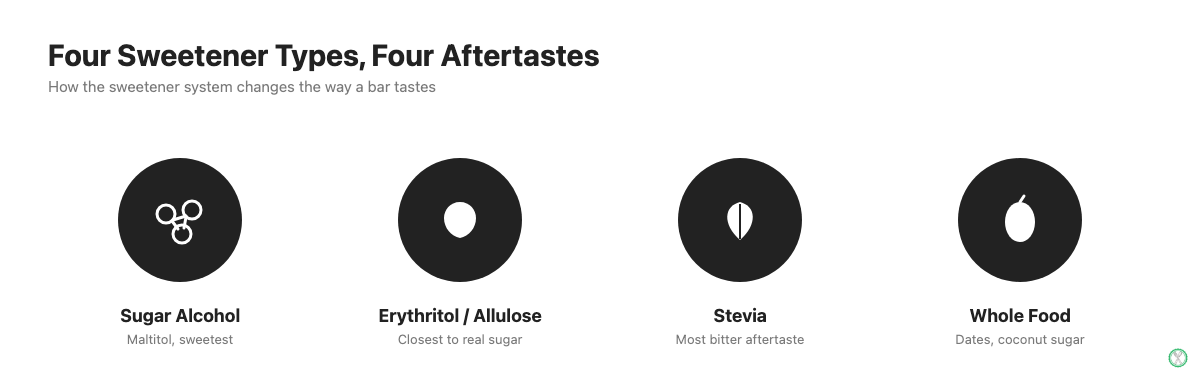
Almost every taste complaint about protein bars traces back to the sweetener system, not the protein source. Sugar alcohols such as maltitol behave closest to real sugar in sweetness and mouthfeel. That is why bars like Barebells and Pure Protein can taste so dessert-like. But maltitol is also the sugar alcohol most associated with the bloating and gas that show up in protein bar reviews. Erythritol, used heavily by Quest, is absorbed differently by the body and tends to cause less digestive distress at the same dose, though it can still carry a faint cooling aftertaste on its own. Allulose sits closer to real sugar in taste and mouthfeel than either maltitol or erythritol, but it shows up less often as the sole sweetener because it is more expensive to formulate with.
Stevia is the outlier. Research on sweetener taste profiles finds that stevia takes longer to register sweetness, tastes less creamy and carries a bitter, metallic, licorice-like note that other sweeteners do not have. That is why bars leaning hard on stevia alone tend to draw more polarized reviews than bars using erythritol or sucralose blends. Whole-food sweeteners such as the dates in RXBAR or the coconut sugar in Aloha avoid the aftertaste question entirely, at the cost of a shorter shelf-stable sweetness range and, in RXBAR's case, a stickier texture.
Chewy, Crunchy, Cakey or Dense: Protein Bar Texture Types Explained
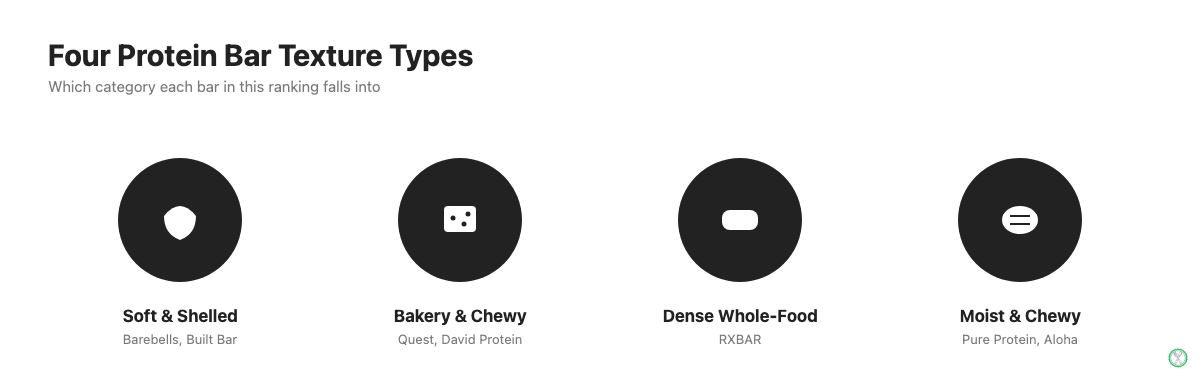
Texture matters as much as flavor, and the seven bars above cover four distinct categories. Barebells and Built Bar fall into the soft-center, crisp-shell category, where a nougat or puffed filling contrasts against a thin chocolate coating for a candy-bar bite. Quest and David Protein land in the dense, chewy, bakery-adjacent category, closer to a soft cookie or brownie than a candy bar, and both firm up noticeably when refrigerated. RXBAR sits alone in the dense, sticky, whole-food category, where the date-and-nut base behaves more like a fudge or energy bar than either of the categories above it. Pure Protein and Aloha both land in a moist, chewy middle ground, though Pure Protein's chalky first-bite residue and Aloha's smoother mouthfeel put them on opposite ends of that category despite similar overall chewiness.
None of these textures is objectively better. A reader who wants a treat-style bite after a workout will usually prefer the Barebells or Built Bar category, while a reader who wants something that reads as a real snack instead of a dessert substitute will usually prefer RXBAR or Aloha.
Best Tasting Protein Bars FAQ
Which protein bar has the best taste overall?
Barebells has the strongest overall taste reputation among mainstream protein bars, with reviewers repeatedly comparing its Salty Peanut and Hazelnut Nougat flavors to a standard candy bar rather than a protein snack. Quest and Built Bar are close behind for readers who prefer a bakery-style or marshmallow texture instead of a nougat-and-shell bar.
Do sugar-free protein bars taste worse than bars with real sugar?
Not automatically, but the sweetener matters more than whether a bar is technically sugar-free. Maltitol and erythritol come close to real sugar in taste, so sugar-free bars built on those sweeteners, like Barebells and Quest, taste close to their full-sugar counterparts. Bars leaning heavily on stevia tend to taste more bitter and metallic, which is the main reason sugar-free bars get a reputation for tasting worse than they need to.
Why do some protein bars leave a chalky aftertaste?
A chalky aftertaste usually comes from the protein blend and sweetener combination, not the protein amount itself. Pure Protein's maltitol-and-sucralose base is the most commonly cited example in this list, with reviewers noting a residue that clears after a few chews but is noticeable on the first bite. Bars with a richer fat content, like the nougat centers in Barebells, tend to mask that chalkiness better.
Are date-sweetened bars like RXBAR less sweet tasting than candy-style bars?
Yes, RXBAR tastes noticeably less sweet and less indulgent than candy-style bars like Barebells or Built Bar, because dates provide natural sweetness without the added sugar alcohols or artificial sweeteners those bars use for extra sweetness. That makes RXBAR taste more like a dense fruit-and-nut snack than a dessert, which some readers prefer and others find underwhelming compared to a candy-bar-style bite.
Is Barebells or Quest better for taste?
It depends on which texture you prefer. Barebells wins on candy-bar authenticity, with a soft nougat center and a chocolate shell that snaps like a real candy bar. Quest wins on bakery-style flavors, especially Chocolate Chip Cookie Dough and Birthday Cake, where the soft, chewy texture reads closer to a baked treat than a nougat bar. Neither is a clear upgrade over the other; the choice comes down to whether you want a candy-bar bite or a cookie-dough bite.