
Barebells Protein Bar Review: Taste, Nutrition, and Price
 By Lisa Benz, Editor-in-chief · Updated Jul 14, 2026 · 7 min read
Disclosure: this article may contain partner links. If you buy through them, we earn a commission at no extra cost to you. The ranking is set by our editors.
Contents
- What Is Barebells? (Quick Facts)
- Barebells Nutrition Facts: Calories, Protein, and Sugar
- Taste and Texture: Original vs. Soft Bar vs. Vegan
- How Much Do Barebells Protein Bars Cost?
- Barebells Flavors: Full Lineup by Product Line
- Are Barebells Protein Bars Healthy? Who Should (and Shouldn't) Buy Them
- The Bottom Line on Barebells
- FAQ: Barebells Protein Bar Questions
A Barebells Original bar packs 20 grams of protein and about 200 calories into a chocolate-coated wafer that reviewers regularly compare to a candy bar rather than a chalky gym snack. It tastes like dessert. The Swedish brand, owned by New Wave Group and launched in 2016, built its whole pitch around that contrast between dessert-level taste and almost no sugar. Here is what is actually in a Barebells bar: how the Original, Soft Bar and Vegan lines differ, what they cost in the US right now, and who should think twice before buying a case.
What Is Barebells? (Quick Facts)
Barebells makes high-protein snack bars designed to taste like a candy bar while keeping added sugar at zero. Three bar types, plus protein drinks. Every bar leans on maltitol and sucralose instead of sugar to hit that macro profile.
| Attribute | Barebells Original Bar |
|---|---|
| Protein per bar | 20g |
| Calories | About 200 |
| Total sugar | 1g (0g added sugar) |
| Sweetener | Maltitol (sugar alcohol) plus sucralose |
| Price per 12-pack | Roughly $27-$33, depending on retailer and promotions |
| Flavors | 18+ Original flavors, plus separate Soft Bar and Vegan lines |
| Format | Single 55g bars, sold by the box of 12 |
| Brand origin | Sweden, founded 2016, owned by New Wave Group |
It is a snack, not a meal replacement. Plenty of people still treat it as a portable breakfast or post-workout bar. That candy-bar texture is the entire premise of the brand, and it comes down to the sweetener blend covered next.
Barebells Nutrition Facts: Calories, Protein, and Sugar
A Barebells Original bar runs about 200 calories with 20 grams of protein and just 1 gram of total sugar, all from a 55-gram bar. That macro profile does not come from magic. It comes from maltitol, a sugar alcohol that tastes sweet but digests differently than regular sugar, paired with a trace amount of sucralose, and the carb count follows from there. Total carbs land around 18-24 grams per bar, most of it sugar alcohol rather than starch or table sugar, with 2-5 grams of fiber depending on the flavor.
The three product lines are not identical, and treating them as one bar is where a lot of reviews go wrong.
| Product line | Protein | Calories | Total sugar | Notes |
|---|---|---|---|---|
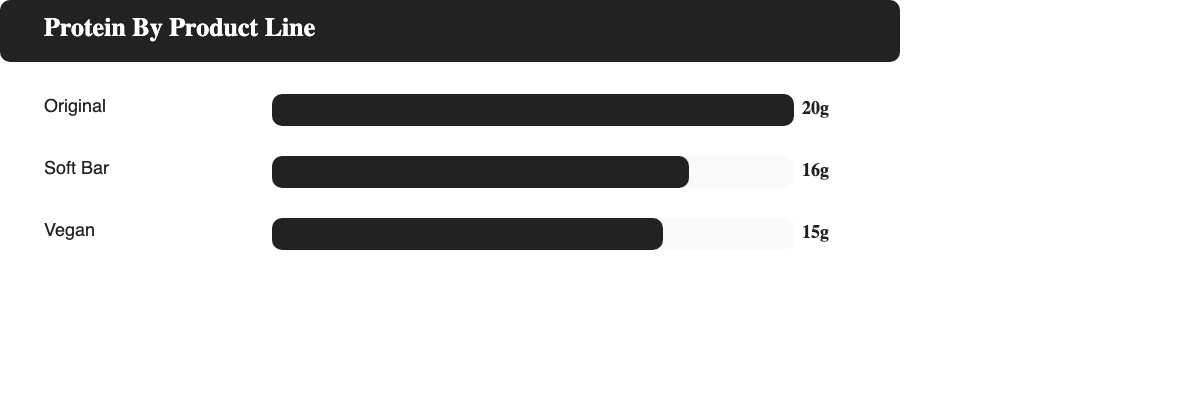
| Original bar | 20g | ~200-220 | 1-2g | Crunchy, chocolate-coated, largest flavor lineup |
| Soft Bar | 16g | ~200-220 | 2g | Softer, chewier texture, more fat per bar |
| Vegan bar | 15g | ~210-220 | 1-2g | Plant-based protein sources, similar sugar alcohol load |
Maltitol is the ingredient to know before eating a full box. It is FDA-recognized as safe and lower in calories than table sugar, but sugar alcohols can cause bloating, gas, or a laxative effect if you eat several bars in one sitting. Most people tolerate one bar a day without issue. If you already know sugar alcohols bother you, start with one bar rather than a full case.
Taste and Texture: Original vs. Soft Bar vs. Vegan
The Original line is the one that built Barebells' reputation, and independent reviewers consistently describe it as closer to a candy bar than a protein bar. Flavors like Salty Peanut and White Chocolate Almond score well in taste tests for a crunchy, crisped-rice texture under a real chocolate coating, while a few flavors, like Coconut-Choco, land more divisively. The exterior snap and soft, slightly fudgy center are the signature Barebells experience.
The Soft Bar line exists specifically for people who find the Original too firm. It swaps the crisped exterior for a smooth, chewy texture that reviewers compare to a caramel candy bar rather than a crunchy snack bar, with flavors like Salted Peanut Caramel and Banana Caramel leaning into that dessert framing even harder than the Original line does.
The Vegan line trades a small amount of protein (15g instead of 20g) for a plant-based protein source, and the texture sits somewhere between the Original and Soft lines: less snap than the Original, less chew than the Soft Bar. Flavor-wise, Fudge Brownie and Caramel Choco Chip are the standouts in this line according to user feedback, with a slightly less refined mouthfeel than the whey-based bars, which tracks with plant-protein bars generally.
How Much Do Barebells Protein Bars Cost?
A standard 12-count box of Barebells bars runs about $30.99 to $32.99 at full retail price, or roughly $2.60 to $2.75 per bar. Discount pricing and bulk deals bring that down closer to $27.00 to $28.00 per box, and Barebells' own site offers a 10% discount when you buy six or more boxes at once.
- Barebells official site (shop.barebells.com): $30.99-$31.99 per 12-pack, with a 10% discount on 6+ boxes
- GNC: individual 12-count boxes priced around $30.99
- The Vitamin Shoppe: Soft Bar boxes generally start around $30.99
- Amazon: variety packs typically list in the same $27.99-$31.99 range, occasionally lower with subscribe-and-save discounts
- Target: sold both individually and by the box, pricing in line with the retailers above
At roughly $2.60-$2.75 per bar, Barebells sits in the mid-range for protein bars, more expensive than bulk grocery-store bars but cheaper than premium bars like David Protein, which typically run $3.25-$3.89 per bar direct from the brand. Prices and promotions shift often, so check current pricing before buying a case.
Barebells Flavors: Full Lineup by Product Line
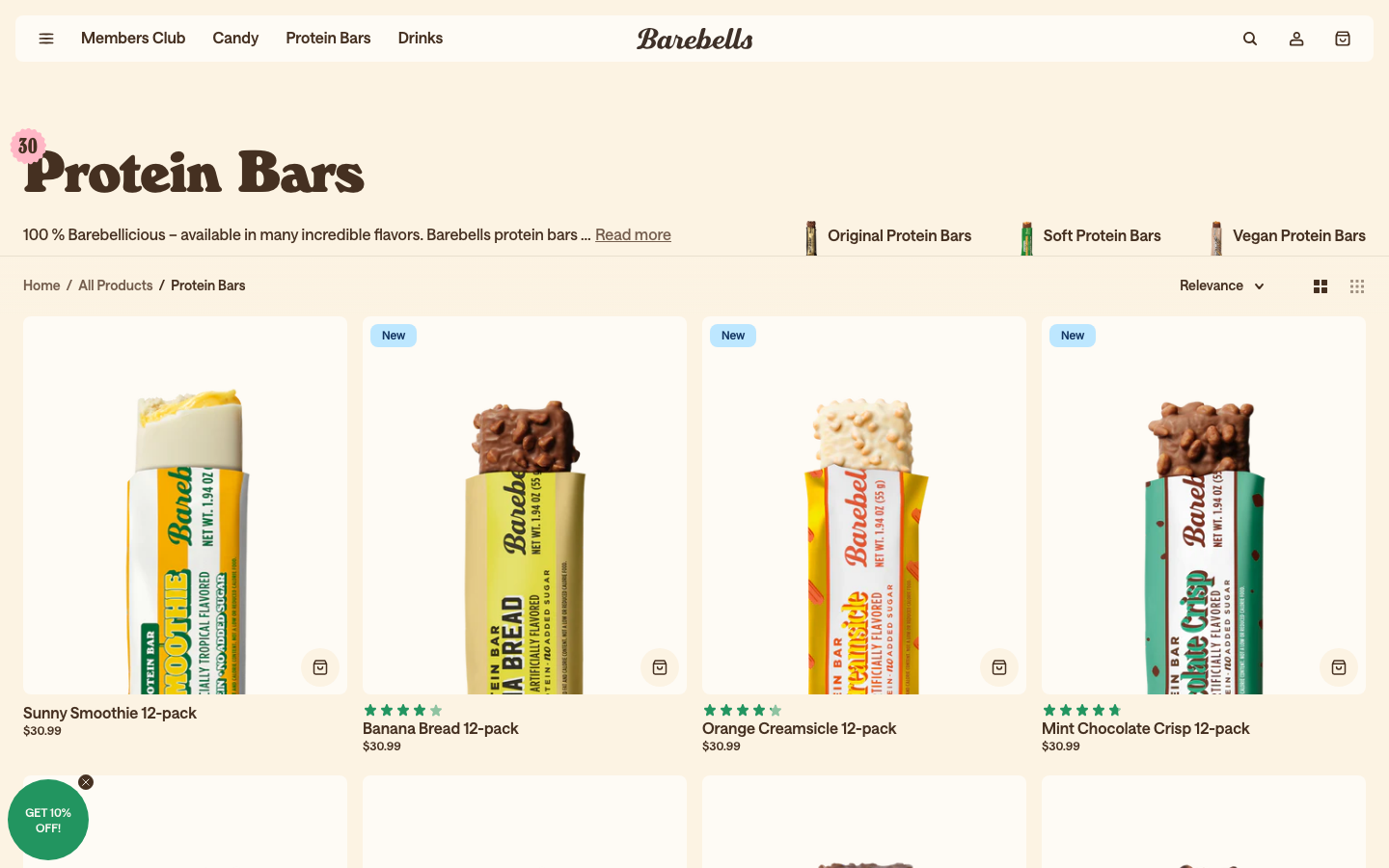
Barebells runs one of the largest flavor lineups in the protein bar category, split across three product lines that do not share flavors.
| Product line | Flavors |
|---|---|
| Original bar | Salty Peanut, Cookies & Cream, Caramel Cashew, White Chocolate Almond, Chocolate Dough, Sunny Smoothie, Banana Bread, Orange Creamsicle, Mint Chocolate Crisp, Coco Caramel Almond, Peanut Butter, Birthday Cake, Wild Cherry, Cookies & Caramel, Creamy Crisp, Peanut Butter & Jelly, Lemon Cheesecake, Key Lime Pie |
| Soft Bar | Salted Peanut Caramel, Caramel Choco, Banana Caramel, Marshmallow Peanut Road |
| Vegan bar | Caramel Choco Chip, Fudge Brownie, Hazelnut Nougat, Caramel Peanut |
Salty Peanut and Cookies & Cream are the most frequently recommended Original flavors in independent reviews and reader threads, while White Chocolate Almond and Lemon Cheesecake tend to split opinion more. Availability rotates, and not every flavor is stocked at every retailer, so check the specific store's listing if one flavor matters to you.
Are Barebells Protein Bars Healthy? Who Should (and Shouldn't) Buy Them
Barebells bars are a "better-for-you" snack, not a whole-food health bar. That distinction matters. They deliver real protein at a low calorie cost with no added sugar, which beats a candy bar or a typical grocery-store granola bar on paper. But the protein comes wrapped in a processed ingredient list, and the sugar-free trick relies on sugar alcohols that some people do not tolerate well in volume.
Pros:
- 20 grams of protein at around 200 calories, a genuinely strong ratio for a bar this size
- No added sugar, with total sugar capped at 1-2 grams per bar
- Candy-bar texture and taste that makes it easy to actually want to eat
- Three product lines (Original, Soft Bar, Vegan) cover different texture preferences and dietary needs
Cons:
- Relies on maltitol and sucralose rather than whole-food sweeteners
- Sugar alcohols can cause bloating or digestive discomfort in some people, especially past one bar a day
- Long, processed ingredient list compared to a whole-food protein source
- Not a substitute for real meals despite the protein count
Good fit for people who want a low-sugar, high-protein snack that actually tastes like a treat, gym-goers looking for a fast post-workout bar, and anyone trying to cut sugar without giving up something that feels indulgent. Consider skipping it, or trying one bar before buying a full box, if sugar alcohols reliably upset your stomach, you prefer whole-food ingredient lists over engineered sweeteners, or you are looking for a primary protein source rather than an occasional snack. Used the way it is designed, as a convenient add-on next to real meals rather than a replacement for them, Barebells delivers on its core promise better than most bars in its price range.
The Bottom Line on Barebells
Barebells earns its reputation on taste and macros: 20 grams of protein, about 200 calories, and 1 gram of sugar in a bar that genuinely tastes like a treat rather than a compromise. The Soft Bar and Vegan lines widen that appeal to people who want a different texture or a plant-based option, and current US pricing around $27-$33 per box puts it in a reasonable middle ground for the category. The tradeoff is the sugar alcohol load, which some people handle without a second thought and others feel within an hour of the first bite. Try one bar before committing to a full case if you have never had a maltitol-sweetened snack before. Want to see how Barebells stacks up against other high-protein bars on the market? Our Best Protein Bars 2026 roundup compares it directly against David Protein Bar and the rest of the field.
FAQ: Barebells Protein Bar Questions
Is Barebells vegan?
Only the Vegan bar line is vegan. It swaps the whey-based protein used in the Original and Soft Bar lines for a plant-based protein source and delivers 15 grams of protein per bar instead of 20 grams.
Is Barebells gluten-free?
Barebells' core bar lineup is labeled gluten-free, though formulations can vary by flavor and region. Check the specific flavor's packaging if a gluten-free label matters for your diet.
Where can I buy Barebells in the US?
Barebells is sold directly at shop.barebells.com and through major US retailers including Amazon, Target, GNC, and The Vitamin Shoppe. Pricing across these retailers typically falls in the $27.99-$32.99 range per 12-pack box.
What is the best-tasting Barebells flavor?
Salty Peanut and Cookies & Cream are the most consistently recommended Original-line flavors across independent reviews and reader discussions, prized for a stronger flavor payoff and less divisive texture than some of the fruit-forward options.